EverythingLatin
Read at every wait; read at all hours; read within leisure; read in times of labour; read as one goes in; read as one goest out. The task of the educated mind is simply put: read to lead - Cicero 106 BC - 43 BC
-
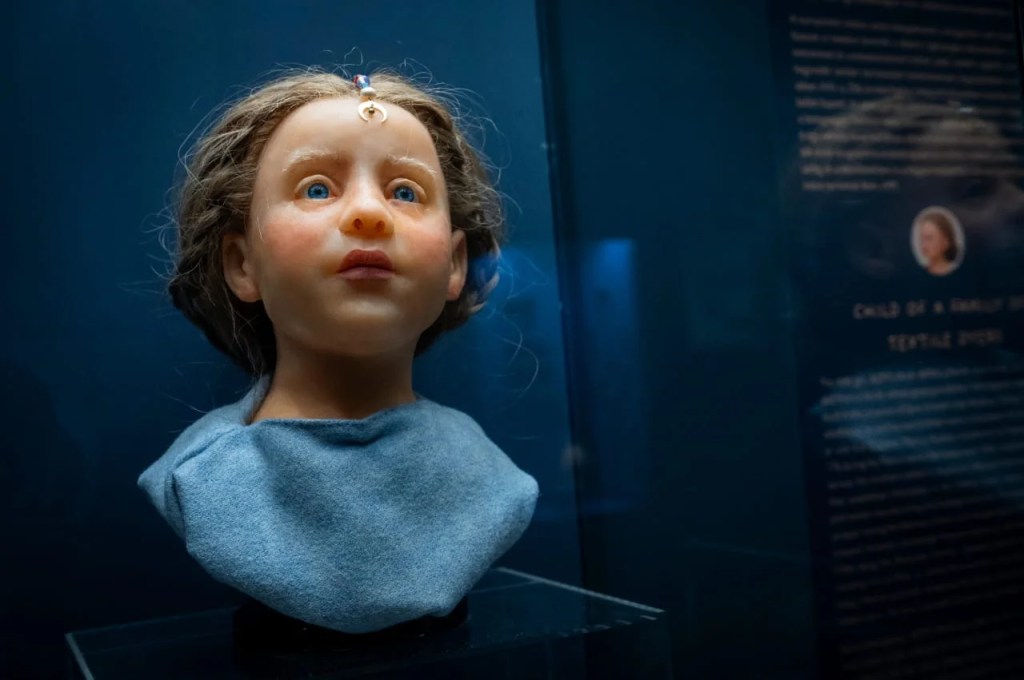
Face-to-face with ancient Rome
Exhibition in Hungary brings forgotten faces to life This article was written by Justin Spike, an Associated Press reporter based in Budapest, Hungary. It was published in AP News on July 15th 2026 BUDAPEST, Hungary (AP) — A blacksmith, a stable boy, a soldier, a slave: The faces and stories of these and other residents…
-
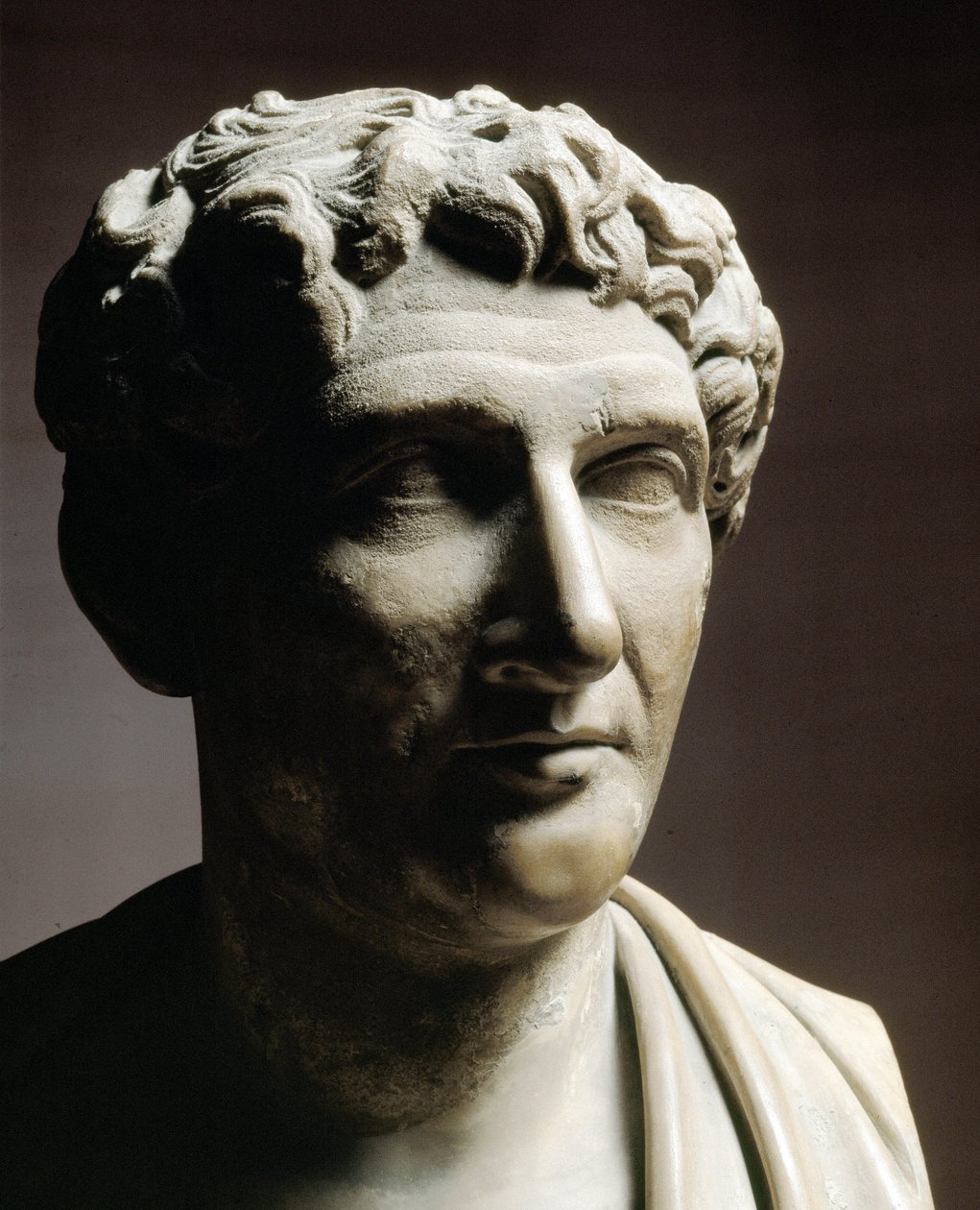
Ovid: The Art of Love (Ars Amatoria) Book II Part III: Be Gentle and Good Tempered
Gentleness especially impresses minds favourably: harshness creates hatred and fierce wars. We hate the hawk that lives its life in battle, and the wolf whose custom is to raid the timid flocks. But the swallow, for its gentleness, is free from human snares, and Chaonian doves have dovecotes to live in. Away with disputes and…
-
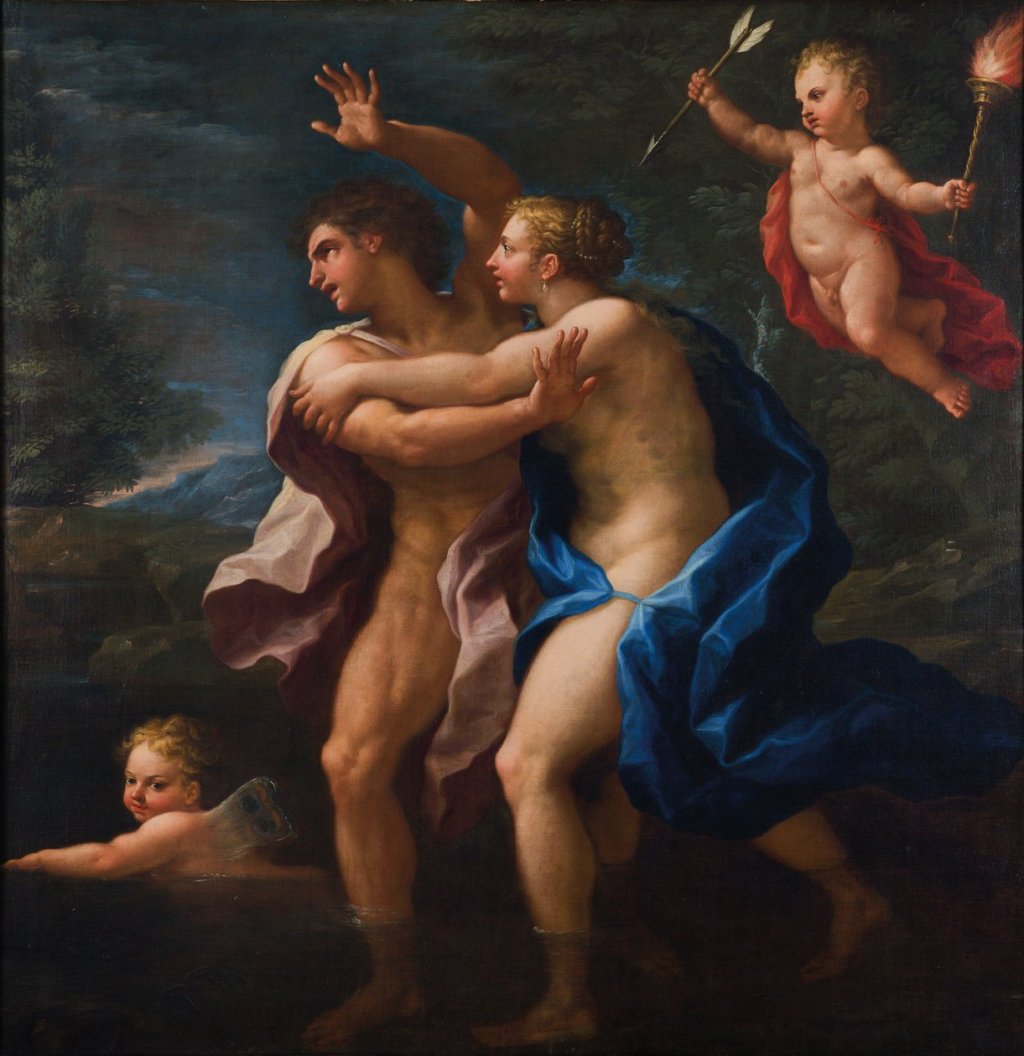
Salmacis and Hermaphroditus
Paolo de Matteis, 9 February 1662 – 26 January 1728, Italian painter. Praise for Tales from Ovid: ‘A breathtaking book…To compare his versions with the Latin is to be awestruck again and again by the range and ingenuity of his poetic intelligence…He rescues the old gods and goddesses from the classical dictionaries and gives them…
-
Ovid: The Art of Love (Ars Amatoria) Book II Part II: You Need Gifts of Mind
Minos could not hold back those mortal wings: I’m setting out to check the winged god himself. He who has recourse to Thracian magic, fails, to what the foal yields, torn from its new-born brow, Medea’s herbs can’t keep love alive, nor Marsian dirges mingled with magic chants. If incantations only could enslave love, Ulysses would have…
-
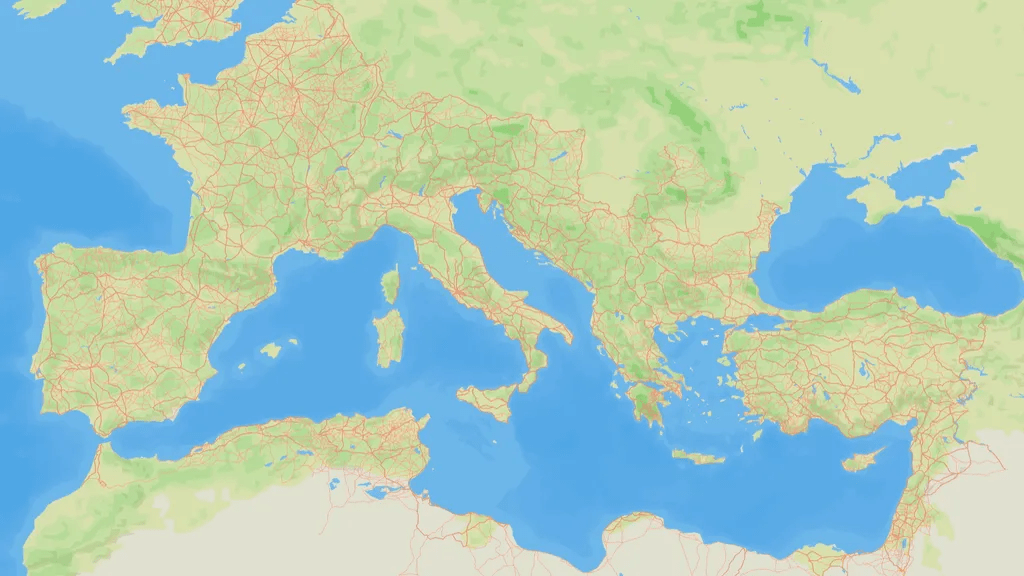
Roman Roads: The network was twice as large as previously thought
The new digital map increases the Roman road network by nearly 100%. This article was published in Live Science on November 6th, 2025 and was written by Kristina Killgrove An international research team has created a new map of the Roman Empire — and it expands the ancient road network by more than 60,000 miles (100,000 kilometers).…
-
Ovid: The Art of Love (Ars Amatoria) Book II Part I: His Task
Publius Ovidius Naso 43 BC – c. 17 AD Sing out the Paean: sing out the Paean twice! The prize I searched for falls into my net. Delighted lovers grant my songs the palm, I’m preferred to Hesiod and old Homer. So Paris the stranger sailed, from hostile Amyclae’s shore, under white sheets, with his…
-
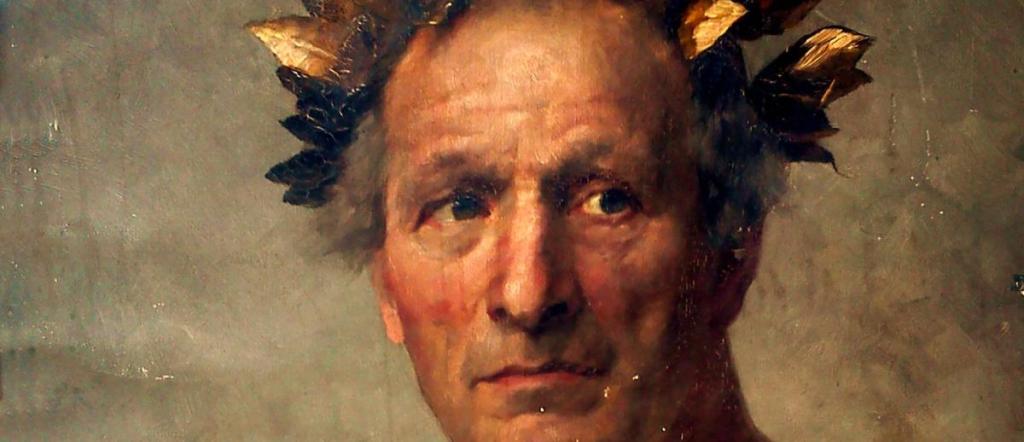
The Laurel Wreath
To the Romans, like the ancient Greeks before them, the laurel was sacred. The Greeks believed the laurel groves were the sacred dwelling places of the gods and nymphs. The Romans adopted the laurel wreath, and it became a symbol of military victory, worn by generals leading their troops in a triumph, on their arrival back…
-

Ovid: The Art of Love (Ars Amatoria) Book I Part XIX: Be Flexible
Ilustration by Frederico Righi Publius Ovidius Naso 43 BC – c. 17 AD I’ve done, but there’s diversity in women’s hearts: a thousand minds require a thousand methods. One soil doesn’t bear all crops: vines here are good, olives there: this teems with healthy wheat. There are as many manners of heart as kinds of…
-

Augustus: Shrewd operator
The Meroe head of Augustus – British Museum, London Augustus had a ruthless reputation. What he could not eliminate with the strength of arms, he did so by manipulation – Alvin Ang Augustus transformed Rome from a bitterly-divided, war weary republic into an empire in a series of superb strokes of political manipulation. Emerging victorious…
-
Ovid: The Art of Love (Ars Amatoria) Book I Part XVIII: Be Pale: Be Wary of Your Friends
Ilustration by Frederico Righi Publius Ovidius Naso 43 BC – c. 17 AD A pale colour would shame a sailor on the ocean wave, who’s blackened by the rays of the sun: and shame the farmer who turns the soil with curved plough and heavy harrow, underneath the heavens. And you who seek the athlete’s…
 everythinglatin.co.uk